

Financial security is something everyone wants, but few know how to achieve it without feeling completely overwhelmed. Life is full of unexpected surprises, and many of these surprises come with a hefty price tag that can disrupt your peace of mind. Whether it is a sudden medical bill, an urgent car repair, or an unexpected job loss, financial emergencies can strike at any moment. When these moments arrive, having a solid financial cushion can make the difference between a minor setback and a major financial crisis. Learning how to build an emergency fund is the single most effective way to protect yourself from life’s unpredictable moments and secure your future.
Many people believe that saving money is difficult, especially when living paycheck to paycheck or managing monthly debts. However, building a safety net does not require you to change your entire lifestyle overnight. It is all about making small, consistent adjustments to your daily spending habits and prioritizing your financial health. By understanding how to build an emergency fund, you can take complete control of your financial destiny and stop worrying about the unknown. This comprehensive guide will walk you through everything you need to know to establish your personal safety net from scratch.
The True Cost of Financial Vulnerability
To truly understand the value of a dedicated cash reserve, one must examine the harsh realities of living without one. In today’s volatile economic landscape, the line between stability and crisis is incredibly thin. A single missed paycheck, an unexpected corporate downsizing, or a sudden spike in utility bills can throw an entire household into chaos. When individuals lack a cash buffer, their immediate response to crisis is often driven by panic rather than logic. This emotional decision-making usually results in a reliance on high-interest credit cards, payday loans, or informal borrowing that carries heavy long-term consequences.
Furthermore, the mental toll of financial insecurity cannot be overstated. Constantly worrying about how to cover an unexpected expense creates chronic stress, which directly impacts physical health, workplace productivity, and personal relationships. It prevents people from looking forward, forcing them instead into a defensive survival mode where long-term planning becomes impossible. Building an emergency fund is not merely an accounting exercise; it is an act of self-care that fundamentally alters your relationship with money and provides structural stability to your life.
Shifting Your Money Mindset
The primary barrier to saving money is rarely the size of a person’s income; rather, it is the prevailing mindset regarding consumption and security. In a society driven by instant gratification, choosing to save money for an unseen future emergency can feel less rewarding than immediate spending. To succeed over the long term, you must redefine what wealth and security mean to you personally. True financial freedom is not about the luxury items you display to the world, but the quiet confidence that comes from knowing you can handle whatever challenges life throws your way.
This shift in perspective requires treating your savings account as a non-negotiable expense that must be paid first every month, rather than a repository for whatever crumbs happen to be left over. When you prioritize your emergency reserve, you stop viewing saving as a form of deprivation and begin seeing it as an investment in your personal independence. This fundamental transformation allows you to build sustainable habits that will protect your hard-earned wealth for decades to come.
The Roadmap to Lasting Peace of Mind
Navigating the path to a fully funded safety net requires a blend of practical strategy and consistent execution. Many beginners abandon their savings goals because they aim for massive, unrealistic targets right at the start, leading to quick burnout and frustration. The secret to breaking this cycle lies in treating the process as a gradual progression of small, manageable milestones that compound over time.
By shifting your daily habits and implementing a structured plan, you can easily bridge the gap between financial vulnerability and absolute resilience. This guide is explicitly designed to demystify the mechanics of wealth protection, offering clear, actionable steps that anyone can follow regardless of their starting point. By the time you complete this roadmap, you will possess both the tactical knowledge and the strategic confidence needed to build a fortress around your personal finances.
What is an Emergency Fund?
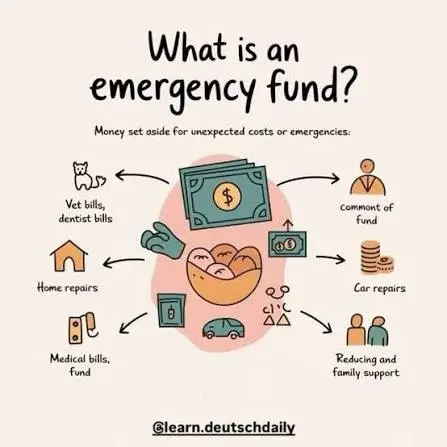
An emergency fund is a specific amount of money set aside exclusively to cover unexpected expenses or financial crises. It acts as a personal insurance policy that you fund yourself, ensuring you have cash available when you need it most. This money is completely separate from your regular savings accounts, checking accounts, and long-term investment portfolios. The primary objective of this fund is liquidity and accessibility, meaning you can withdraw the cash immediately without penalties or delays.
An emergency fund is not meant for predictable, upcoming expenses like holiday shopping, annual insurance premiums, or buying a new smartphone. Instead, it is strictly reserved for urgent, unplanned events that threaten your financial stability or well-being. Think of it as a financial shock absorber that cushions the blow when real-world problems occur unexpectedly.
Most financial experts agree that a standard emergency fund should hold enough money to cover three to six months of essential living expenses. However, the exact amount varies based on your unique lifestyle, job stability, and family obligations. The core concept is simply to create a buffer between you and the financial hardships of the world.
Why is an Emergency Fund Important?
Living without a financial safety net is like driving a car without a spare tire. You might get lucky for a while, but eventually, you will face a situation that leaves you stranded. Understanding how to build an emergency fund provides you with a reliable fallback plan that keeps your life moving forward when things go wrong.
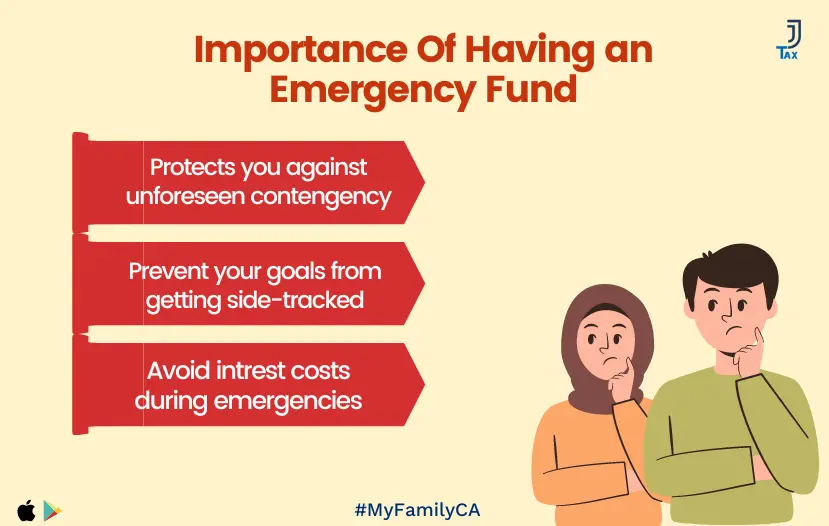
Without cash reserves, most people turn to high-interest credit cards, personal loans, or borrowing from friends and family during a crisis. These options often lead to a dangerous cycle of debt that can take years to escape. An emergency fund protects you from these high-interest traps, allowing you to handle problems with confidence and independence.
Furthermore, having cash on hand offers immense psychological benefits, reducing stress and anxiety related to money management. Knowing that you can pay your rent or cover a medical bill even if you lose your job brings unmatched peace of mind. It allows you to make calm, rational decisions during a crisis rather than acting out of financial desperation.
Detailed Step-by-Step Guide to Building Your Fund
Building a financial cushion might seem like a daunting task, but breaking the process down into manageable steps makes it highly achievable. By taking a systematic approach, you can watch your savings grow steadily over time without feeling deprived. Here is the exact process you should follow to establish your fund successfully.
Step 1: Assess Your Current Financial Situation
Before you can start saving money, you must have a clear understanding of your current income and expenses. Take some time to gather your bank statements, utility bills, and credit card receipts from the past three months. Calculate your total monthly income and subtract your fixed expenses to see how much money is left over each month.
Monthly Net Income - Essential Living Expenses = Potential Savings Margin
This initial assessment helps you identify areas where you might be overspending on non-essential items. It also gives you a realistic starting point for your monthly savings goals based on actual data rather than guesswork. Knowing your numbers is the foundation of all successful financial planning.
Step 2: Determine Your Ultimate Savings Goal
Once you know your monthly living costs, you need to calculate exactly how much money your total fund should hold. Start by listing only your absolute necessities, such as housing, utilities, groceries, insurance, and minimum loan payments. Multiply this baseline monthly expense total by your target number of months.
- 3-Month Goal: Ideal for individuals with high job security, steady income, and no dependents.
- 6-Month Goal: Recommended for families, homeowners, and individuals with moderate job stability.
- 9-to-12-Month Goal: Best for freelancers, business owners, or anyone working in highly volatile industries.
Step 3: Choose the Right Place to Store Your Money
Where you keep your money is just as important as how much you save. Your emergency cash needs to be safe from market volatility but accessible enough to use at a moment’s notice. Keeping it in your everyday checking account is risky because you might accidentally spend it on daily purchases.
The ideal home for your financial cushion is a High-Yield Savings Account (HYSA) at a reputable bank. These accounts offer significantly higher interest rates than traditional savings accounts, helping your money keep pace with inflation. Alternatively, you can use a money market account that comes with a debit card for instant access during emergencies.
Step 4: Create a Realistic Monthly Budget
A budget is a roadmap for your money, showing you exactly where every dollar should go before the month begins. Implement a simple budgeting framework that prioritizes savings, such as the popular 50/30/20 rule. This method allocates your income toward different categories to ensure balanced financial health.
- 50% for Needs: Housing, food, utilities, health insurance, and minimum debt obligations.
- 30% for Wants: Dining out, entertainment, hobbies, subscriptions, and luxury shopping.
- 20% for Savings: Building your emergency fund, retirement contributions, and extra debt payments.
Step 5: Automate Your Savings Process
The easiest way to save money is to remove human temptation from the equation entirely. Set up an automatic transfer through your online banking portal to move money immediately after payday. You can schedule a specific amount to shift from your checking account to your emergency fund every single month.
When you automate your savings, you learn to live on the remaining balance without missing the money you set aside. This strategy treats your savings like a non-negotiable monthly bill that must be paid. Consistency is the true secret to building a substantial financial cushion over the long term.
Step 6: Trim Non-Essential Spending
If your current budget does not leave much room for savings, it is time to evaluate your discretionary spending habits. Look closely at your monthly subscription services, dining habits, and impulse purchases to find easy areas to cut back. Small adjustments can result in significant savings over the course of a year.
For example, packing your lunch for work instead of ordering takeout can easily save a substantial amount each week. Canceling streaming services that you rarely use frees up cash that can go directly into your high-yield account. Remember that these lifestyle adjustments do not have to be permanent; they are temporary tools to help you reach safety faster.
Step 7: Boost Your Income with Side Hustles
Sometimes, cutting expenses is not enough to reach your financial goals quickly, especially if your income is relatively low. In these cases, focusing on increasing your earnings is the most effective path forward. The modern digital economy offers countless opportunities to make extra money in your spare time.
Consider freelancing in a field where you have existing skills, such as writing, graphic design, or virtual assistance. You could also participate in ride-sharing services, deliver groceries, or sell unused household items online. Direct 100% of this extra income straight into your financial safety net to accelerate your progress.
Benefits of Having an Emergency Fund
Prioritizing your financial cushion brings a wide array of advantages that touch nearly every area of your daily life. It is not just about the numbers in your bank account; it is about the freedom and security that money provides. Here are the primary benefits of maintaining a fully funded financial safety net.
- Prevents Long-Term Debt Accrual: You can pay for unexpected bills using cash instead of relying on high-interest credit cards or personal loans.
- Reduces Daily Stress and Anxiety: Having money in the bank eliminates the constant fear of unexpected financial disasters.
- Provides Ultimate Career Flexibility: A solid financial buffer allows you to leave a toxic work environment or search for a better job without desperation.
- Keeps Long-Term Investments Intact: You will never be forced to sell your stocks, mutual funds, or retirement assets during a market downturn just to get cash.
- Protects Your Overall Credit Score: Being able to pay emergency bills immediately ensures you never miss payments or harm your credit history.
- Fosters Better Financial Discipline: The process of building your fund teaches you valuable budgeting and saving habits that last a lifetime.
Disadvantages and Risks of an Emergency Fund
While the advantages of having cash reserves are undeniable, there are a few subtle trade-offs and risks that savers should keep in mind. Understanding these nuances helps you manage your wealth more effectively without falling into common financial traps. Here are the main risks associated with maintaining large cash reserves.
- Purchasing Power Loss Due to Inflation: Cash stored in savings accounts rarely earns enough interest to beat the rising cost of goods and services over time.
- Opportunity Cost of Missed Returns: Money sitting in a bank account is not invested in the stock market or real estate, meaning you miss out on higher compound returns.
- The Temptation to Overspend: Seeing a large balance in a accessible account can create a false sense of wealth, leading to unnecessary purchases.
- Slower Progress on Other Financial Goals: Every dollar you allocate to your emergency cushion is a dollar that cannot be used to pay off debt or save for a home down payment.
- Risk of Bank Account Fees: Some financial institutions charge monthly maintenance fees if you do not maintain a minimum balance or meet specific activity requirements.
Common Mistakes to Avoid
Many well-intentioned individuals make critical errors when trying to establish their financial safety net, which can delay their success or ruin their hard work. Recognizing these pitfalls in advance allows you to navigate your financial journey with maximum efficiency. Avoid these common mistakes as you work toward your savings goals.
Mixing Your Emergency Cash with Everyday Money
Keeping your emergency funds in your primary checking account is a recipe for failure. It becomes incredibly easy to dip into those savings for weekend trips, dinners, or casual shopping trips. Always use a completely separate bank account to create a clear psychological boundary between your spending money and your emergency reserve.
Using the Fund for Non-Emergencies
An emergency is something that directly impacts your health, safety, or ability to earn an income. Upgrading your television, buying concert tickets, or taking a spontaneous vacation are not financial emergencies. Be completely honest with yourself about what constitutes a true crisis, and protect your fund fiercely from casual spending.
Setting an Unrealistic, Overwhelming Goal
Trying to save six months of expenses right from the start can feel so overwhelming that you might give up before making real progress. Instead of focusing on the massive final number, break your ultimate goal down into tiny, achievable milestones. Start by aiming for a small target, celebrate that win, and then push forward to the next level.
Failing to Rebuild the Fund After Use
An emergency fund is meant to be spent when a real crisis occurs, so you should never feel guilty about using it for its intended purpose. However, the mistake lies in failing to replenish the account once the storm has passed. As soon as your finances stabilize, adjust your budget immediately to rebuild your safety net back to its original level.
How much money should a beginner start with?
A beginner should focus on saving a starter emergency fund of a fixed initial amount, such as $1,000, as quickly as possible. This initial milestone is usually enough to cover minor unexpected expenses, like a flat tire or a minor appliance repair, without turning to credit cards. Once you achieve this starter goal, you can gradually expand the fund to cover three to six months of expenses.
Should I pay off credit card debt before building an emergency fund?
It is generally best to build a small starter emergency fund before aggressively paying down high-interest credit card debt. If you have no cash savings, any new unexpected expense will force you right back into using your credit cards, ruining your debt payoff momentum. Having a small cash buffer breaks this cycle and allows you to focus entirely on eliminating your debt for good.
Is a standard savings account good for storing emergency cash?
A traditional savings account is usually not the best choice because it offers incredibly low interest rates, causing your money to lose value to inflation. A high-yield savings account is a much better option because it provides the same level of safety and accessibility while paying significantly more interest. Always shop around online to find banks that offer competitive rates with zero monthly fees.
How often should I review and update my savings goal?
You should review your financial cushion goals at least once a year or whenever you experience a major life transition. Life events like getting a raise, buying a home, having a child, or changing careers can significantly alter your monthly essential expenses. Updating your calculations ensures that your safety net always reflects your current lifestyle realities.
Can I invest my emergency fund in stocks or mutual funds?
No, you should never invest your core emergency cash in the stock market or volatile assets. Investments can drop in value unpredictably, meaning your funds might be severely depleted at the exact moment you need them most. Additionally, selling investments quickly can trigger unwanted taxes and transaction fees, making it harder to access your cash in a hurry.
What should I do if my emergency fund is completely empty?
If your fund is empty, the best thing to do is start small without feeling discouraged. Look around your home for items you can sell immediately, or cut out all luxury spending for a single month to jumpstart your account. Remember that saving even a tiny amount from every single paycheck is far better than saving nothing at all.
Expert Tips & Bonus Points
To maximize the efficiency of your financial planning, consider incorporating these advanced strategies into your savings routine. These expert tips will help you optimize your money management and accelerate your path to absolute financial security.
- Keep Your Found Money: Whenever you receive unexpected cash, such as a work bonus, a tax refund, or a cash gift, deposit it directly into your emergency fund. Since this money was not part of your regular monthly budget, you will not miss it.
- Look for Bank Sign-Up Bonuses: Many digital banks offer cash bonuses simply for opening a new high-yield savings account and maintaining a specific balance. You can leverage these promotions to instantly boost your savings progress.
- Separate Your Fund into Tiers: If you have a large 6-month reserve, consider keeping two months of expenses in an instant-access checking account. The remaining four months can sit in a high-yield account or short-term certificates of deposit to maximize interest earnings.
- Review Your Insurance Deductibles: As your financial cushion grows, you can safely choose higher deductibles on your auto and home insurance policies. This adjustment lowers your monthly premium payments, freeing up more cash for your savings goals.
Conclusion
Learning how to build an emergency fund is one of the most vital steps you can take toward achieving lifelong financial peace of mind. It serves as your personal defense system against the unpredictable nature of the world, keeping you safe from high-interest debt and financial ruin. While saving thousands of dollars can feel intimidating at first, consistency and discipline are far more important than the size of your income. By breaking the process down into small steps, tracking your spending, and automating your savings, you can reach your goals easily.
Remember that building a financial safety net is a long-term journey rather than an overnight race. Every dollar you set aside today is a step toward a more secure, stress-free future for you and your loved ones. Do not wait for a financial crisis to strike before you decide to take control of your hard-earned money. Start small today by opening a dedicated account, automating a modest transfer, and watching your financial security grow brick by brick.
Ultimately, the true value of your cash reserve is found in the choices it grants you during difficult times. It transforms a potentially devastating life event into a temporary, manageable inconvenience. Instead of reacting out of fear or desperation, you can navigate challenges with logic, dignity, and absolute control. By prioritizing your financial resilience today, you are purchasing the ultimate luxury: a future defined by opportunity rather than anxiety. Commit to your financial health right now, and let your growing fund be the foundation of a stable, prosperous life.
