
Introduction
Getting out of Conclusion
Mastering debt management tips for financial freedom is a transformative journey that requires patience, discipline, and a clear tactical strategy. It is not about how you got into financial trouble; it is entirely about the concrete choices you make today to fix your future. By facing your true numbers, building a realistic budget, and sticking to a proven repayment method, you can dismantle your financial burdens step by step. True financial peace is not defined by how much luxury stuff you own, but by the complete freedom to make choices without money anxiety.
As you move forward, keep in mind that consistency is far more important than speed. There will be months when unexpected expenses pop up and threaten to slow down your momentum. Do not let these minor setbacks cause you to give up on your broader financial goals entirely. Rebalance your budget, protect your starter emergency fund, and immediately return to your chosen repayment track. Every single dollar you pay toward your principal balance brings you one step closer to breaking the chains of interest-bearing liabilities for good.
Ultimately, the habits you build during this recovery phase will serve as the foundation for your future wealth. The same discipline required to systematically wipe out your balances is exactly what you will use to build your retirement portfolios and long-term investments. Stay fully committed to your plan, avoid common consumer pitfalls, and trust the compounding power of your hard work. Your future debt-free life of abundance, security, and absolute independence is waiting for you. Proceed with confidence and take decisive action today. can feel like climbing a massive mountain without a rope. Millions of people worldwide struggle with credit card balances, student loans, and high-interest personal loans that seem to grow every single month. If you are tired of living paycheck to paycheck and want to take control of your money, you are in the right place. Mastering debt management tips for financial freedom is the most reliable way to break the cycle of stress and build long-term wealth. When you manage your liabilities correctly, you open the door to a life of true independence and peace of mind.
To truly understand the power of financial recovery, we must first look at how easily modern society guides us into financial traps. From the moment we enter adulthood, we are bombarded with marketing messages encouraging us to buy now and pay later. Credit cards are marketed as symbols of status and convenience, while financing plans make expensive luxury items look deceptively affordable. It is incredibly easy to slide into a cycle where your monthly income is entirely claimed by creditors before it even hits your bank account.
This widespread reliance on borrowing creates a dangerous illusion of wealth. You might see people driving brand-new cars, wearing designer clothing, and living in beautiful homes, but behind closed doors, many are drowning in financial anxiety. Living this way means you are always just one unexpected expense or emergency away from a complete financial disaster. When a major portion of your salary goes toward paying interest on things you bought months or years ago, you lose the ability to save for your future, invest in opportunities, or enjoy true peace of mind.
The psychological weight of carrying this burden is often heavier than the financial math itself. Constant worry about bills can strain relationships, cause sleepless nights, reduce your productivity at work, and lead to chronic physical health problems. Money problems are among the leading causes of household stress and divorce globally. When you are stuck in this survival mode, it becomes almost impossible to think long-term or dream about big career changes, entrepreneurship, or early retirement. You become a hostage to your monthly minimum payments.
Fortunately, your current financial situation does not have to be a permanent life sentence. No matter how deep you think you are in the hole, or how many collection calls you have avoided, there is always a practical way out. The turning point happens the moment you decide to stop hiding from your statements and instead choose to proactively manage your liabilities. Taking control of your cash flow requires a shift in your mindset, a commitment to temporary lifestyle adjustments, and a willingness to learn how banking systems operate.
This comprehensive guide is specifically designed for both beginners and intermediate readers who want practical, real-world solutions rather than abstract theories. We will break down exactly how debt works, why you need to tackle it immediately, and the precise steps required to eliminate your financial burdens. We will explore how to analyze your current spending, discover hidden money in your existing budget, and choose the perfect strategic repayment weapon that aligns with your personal motivation style.
As you read through this guide, try to visualize what your daily life will look like once you no longer owe a single dollar to any bank, credit card company, or lender. Imagine the incredible sense of relief when your paycheck belongs entirely to you, allowing you to build a massive emergency safety net, travel the world stress-free, or invest heavily in your long-term dreams. Financial freedom is not a privilege reserved only for high earners; it is a realistic goal achievable by anyone willing to apply structured discipline to their finances.
By implementing these proven, time-tested strategies, you can stop worrying about high-interest penalties and start planning a brighter, happier future. We are going to provide you with the exact blueprint needed to transform your financial habits from the ground up. Let us dive deep into the ultimate roadmap toward becoming completely debt-free and reclaiming your independence
What is Debt Management?
Debt management is the structured process of organizing, tracking, and paying off your outstanding financial obligations. It involves analyzing your total liabilities, understanding your interest rates, and creating a strategic plan to clear what you owe efficiently. Instead of making random payments, a proper management plan coordinates your income and expenses to maximize your repayment speed.
At its core, this practice is about regaining control over your cash flow. It combines budgeting, behavioral changes, and strategic repayment methods to reduce the total interest you pay over time. For intermediate readers, it may also involve negotiating with creditors or consolidating multiple balances into a single, lower-interest payment.
It is important to understand that managing your liabilities is not a one-size-fits-all solution. Different financial situations require different approaches, ranging from simple self-directed budgets to formal structured programs. The ultimate goal is always the same: reducing your financial stress and eliminating what you owe so your money can finally work for you.
Why is Debt Management Important?
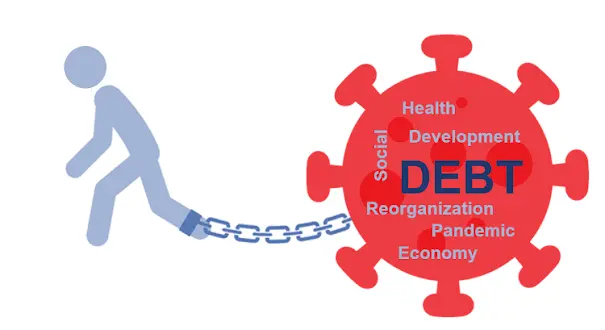
Failing to manage your liabilities can lead to a severe downward financial spiral. High-interest rates act like an anchor, dragging down your net worth and making it impossible to save for major life goals. When you implement proper tracking and repayment strategies, you protect your hard-earned money from being wasted on endless interest charges.
Furthermore, your credit score depends heavily on how you handle your obligations. A poor payment history or high credit utilization ratio can destroy your credit rating, making it difficult to buy a home, secure a vehicle loan, or even get a job. Good management habits keep your credit profile clean and attractive to top-tier lenders.
Finally, the emotional and psychological toll of financial strain is immense. Constant worry about bills can strain relationships, reduce workplace productivity, and cause chronic health issues. Taking control of your finances eliminates this psychological burden, replacing constant anxiety with a profound sense of security and confidence.
Detailed Step-by-Step Guide to Managing Your Debt
Tackling your financial obligations requires a systematic approach rather than guesswork. Follow this detailed, step-by-step framework to organize your finances and accelerate your journey toward complete financial independence.
Step 1: List and Face Your Total Financial Liabilities
You cannot fix a problem if you do not know its exact scale. Gather all your recent credit card statements, loan documents, and utility bills to create a master financial sheet.
- Write down the name of every single creditor.
- List the exact total balance owed for each account.
- Note down the specific annual percentage rate (APR) for each liability.
- Record the minimum monthly payment required to keep the account current.
Seeing the total number on paper can be shocking at first, but it is an essential step. Face the numbers with courage, knowing that this baseline is the starting point for your ultimate financial transformation.
Step 2: Establish a Realistic Monthly Bare-Bones Budget
To find extra money for repayments, you must understand exactly where your income goes each month. Track your spending for thirty days and divide your costs into fixed necessities and variable wants.
- Fixed Necessities: Housing, basic groceries, insurance, utilities, and minimum loan payments.
- Variable Wants: Dining out, streaming subscriptions, hobby supplies, and luxury shopping.
Cut back on non-essential categories temporarily to create a financial surplus. Every dollar you save from trimming entertainment or dining out should be redirected immediately toward clearing your balances.
Step 3: Build a Small Emergency Buffer Fund
It might seem counterintuitive to save money while you owe money, but an emergency fund is your safety net. Without a cash buffer, any unexpected medical expense or car breakdown will force you to use credit cards again.
- Aim to save a small starter fund of one thousand dollars as quickly as possible.
- Keep this money in a separate, accessible savings account.
- Only touch this cash for absolute, unavoidable emergencies.
Having this buffer ensures that when life throws a curveball, you will not ruin your repayment momentum by sinking deeper into credit dependency.
Step 4: Choose Your Strategic Repayment Weapon
There are two primary mathematical and psychological methods for paying off multiple balances. Pick the strategy that aligns best with your personal motivation style.
- The Debt Snowball Method: You pay off your smallest balances first while maintaining minimum payments on the rest. This creates quick psychological wins that keep you motivated.
- The Debt Avalanche Method: You focus all extra funds on the liability with the highest interest rate. Mathematically, this saves you the most money on interest over time.
Both methods work exceptionally well if you stay consistent. Choose the snowball if you need emotional encouragement, or the avalanche if you prefer pure mathematical optimization.
Step 5: Automate and Monitor Your Progress Regularly
Missing a payment deadline can result in expensive late fees and severe damage to your credit score. Set up automatic monthly payments for at least the minimum amount due on all accounts.
- Align your automatic payment dates with your monthly paychecks.
- Log into your financial tracking sheet once a week to update balances.
- Adjust your strategy if your income fluctuates or if unexpected expenses arise.
Consistent monitoring keeps you highly focused and prevents you from slipping back into old, careless spending habits.
Benefits of Debt Management
Implementing effective debt management tips for financial freedom offers life-changing advantages that extend far beyond your bank account balance.
- Significant Interest Savings: By paying off balances faster or securing lower rates, you prevent hundreds or thousands of dollars from going to lenders.
- Rapidly Improved Credit Score: Consistent, timely payments and lower credit utilization ratios naturally boost your credit rating over time.
- Reduced Financial Anxiety: Knowing exactly when you will be debt-free eliminates sleepless nights and constant worry about collection calls.
- Increased Monthly Cash Flow: Once a balance is completely cleared, that monthly payment amount stays in your pocket to use as you wish.
- Ability to Build Wealth: The money previously wasted on interest can now be redirected into high-yield investments, retirement funds, and real estate.
- Enhanced Financial Literacy: The discipline you develop while managing your liabilities teaches you how to handle money wisely for the rest of your life.
Disadvantages and Risks of Debt Management
While the journey is highly beneficial, readers must remain aware of potential challenges and risks associated with specific reduction strategies.
- Temporary Lifestyle Restrictions: Cutting back on entertainment, vacations, and dining out requires strict discipline and can cause social frustration.
- Potential Credit Score Dips: Closing old credit card accounts after paying them off can accidentally shorten your credit history and lower your score temporarily.
- High Fees on Formal Programs: Some commercial settlement or consolidation companies charge steep upfront setup fees that can add to your financial burden.
- Risk of Falling Back into Old Habits: If you clear your cards using a loan but do not fix your spending behavior, you risk running up new balances alongside the new loan.
- Scams and Predatory Agencies: The financial relief industry is filled with fraudulent companies that promise unrealistic quick fixes while stealing your money.
Common Mistakes to Avoid
Many well-meaning individuals accidentally prolong their financial struggles by falling into predictable traps. Avoid these major blunders to ensure your repayment journey stays on the fastest possible track.
First, never ignore your bills or avoid communication with your creditors. If you are struggling to make a payment, call the lender immediately to explain your situation. Many companies have temporary hardship programs that can lower your interest rates or pause your payments without destroying your credit.
Second, avoid using credit cards to pay off other credit cards unless you are utilizing a calculated, low-fee balance transfer strategy. Swapping balances around without a real repayment plan gives you a false sense of accomplishment while costing you money in transfer fees.
Third, do not raid your long-term retirement accounts to pay off unsecured liabilities. Taking early withdrawals from retirement funds often triggers massive tax penalties and robs your future self of compounding investment growth. Keep your retirement intact and focus on cutting expenses instead.
Finally, do not reward your progress by taking on new financial obligations. Buying a new car or financing furniture because you successfully paid off a credit card defeats the entire purpose of your hard work. Stay dedicated to the minimalist lifestyle until your financial freedom is fully secured.
How long does it typically take to become completely debt-free?
The timeline depends heavily on the total amount you owe, your current interest rates, and how much extra money you can dedicate to repayments each month. Generally, individuals using structured self-directed methods like the snowball or avalanche plans clear their consumer liabilities within twenty-four to sixty months. If your situation is extreme, a formal consolidation or management program might take up to five years to resolve your accounts fully.
Should I pay off my liabilities or save money for retirement first?
If you are dealing with high-interest consumer credit cards carrying interest rates above fifteen percent, it is almost always better to pay them off first. The guaranteed return on investment from avoiding a high interest charge is much higher than what you would typically earn in the stock market. However, if your employer offers a matching contribution for your retirement plan, contribute just enough to maximize that free match, then put all remaining funds toward your liabilities.
Can I negotiate directly with credit card companies to lower my interest rates?
Yes, you absolutely can negotiate with your lenders. Call the customer service number on the back of your card, ask to speak with the retention or supervisor department, and politely request a lower interest rate. Mention your history of on-time payments and note that you are receiving lower balance transfer offers from competing banks. Lenders would often rather lower your rate slightly than risk you transferring your balance away or defaulting entirely.
What is the difference between debt consolidation and debt settlement?
Debt consolidation involves taking out a new, lower-interest personal loan to pay off multiple high-interest balances, leaving you with just one simple monthly payment. It protects your credit score as long as you make payments on time. Debt settlement involves stopping your payments completely to force creditors to accept a lump-sum payment that is less than what you actually owe. Settlement severely damages your credit score and can result in legal lawsuits.
Will closing my paid-off credit cards help improve my credit score?
In many cases, closing a credit card account can actually lower your credit score temporarily. Closing an account reduces your total available credit limit, which instantly increases your credit utilization ratio. It can also shorten the average age of your credit history over time. Instead of closing the account, it is often smarter to keep it open, hide the physical card away, and let it sit with a zero balance to help your score.
Is it wise to use a home equity loan to pay off unsecured credit cards?
Using a home equity loan can be highly risky because it turns unsecured liability into secured liability. Credit card companies cannot easily take your house if you miss a payment, but a home equity lender can initiate foreclosure proceedings against your property. While the interest rate on a home equity loan is usually much lower, you are putting your family home on the line, which is generally not recommended unless your income is extremely stable.
Expert Tips & Bonus Points
To truly supercharge your financial recovery, you need to think outside the box and look for advanced optimization strategies. Here are several expert-level tips to help you accelerate your path to freedom.
+------------------------------------------------------------+
|                  FINANCIAL FREEDOM CHECKLIST               |
+------------------------------------------------------------+
| [ ] List all balances, interest rates, and minimums.       |
| [ ] Create a bare-bones monthly survival budget.           |
| [ ] Save a one thousand dollar cash emergency buffer.      |
| [ ] Choose either the Snowball or Avalanche strategy.     |
| [ ] Automate minimum payments to avoid late penalties.     |
| [ ] Launch a side hustle to maximize extra cash flow.      |
+------------------------------------------------------------+
First, leverage the power of the gig economy to create a dedicated repayment stream. Direct every single dollar earned from a weekend side hustle, freelance project, or ride-sharing shift straight toward your top-priority balance. Since this income is separate from your main salary, you will not miss it in your daily budget.
Second, use the balance transfer card strategy carefully if your credit score is still decent. Moving a high-interest balance to a card with a zero percent introductory APR for twelve to eighteen months stops interest from accumulating entirely. This ensures that every single dollar you pay goes directly toward reducing the actual principal balance.
Third, celebrate tiny milestones along the way to maintain long-term psychological momentum. Paying off a massive total balance takes time, and you can easily experience burnout if you do not acknowledge your victories. Treat yourself to a simple, low-cost reward like a home movie night or a favorite meal every time an individual account hits a zero balance.
Conclusion
Mastering debt management tips for financial freedom is a transformative journey that requires patience, discipline, and a clear tactical strategy. It is not about how you got into financial trouble; it is entirely about the concrete choices you make today to fix your future. By facing your true numbers, building a realistic budget, and sticking to a proven repayment method, you can dismantle your financial burdens step by step. True financial peace is not defined by how much luxury stuff you own, but by the complete freedom to make choices without money anxiety.
As you move forward, keep in mind that consistency is far more important than speed. There will be months when unexpected expenses pop up and threaten to slow down your momentum. Do not let these minor setbacks cause you to give up on your broader financial goals entirely. Rebalance your budget, protect your starter emergency fund, and immediately return to your chosen repayment track. Every single dollar you pay toward your principal balance brings you one step closer to breaking the chains of interest-bearing liabilities for good.
Ultimately, the habits you build during this recovery phase will serve as the foundation for your future wealth. The same discipline required to systematically wipe out your balances is exactly what you will use to build your retirement portfolios and long-term investments. Stay fully committed to your plan, avoid common consumer pitfalls, and trust the compounding power of your hard work. Your future debt-free life of abundance, security, and absolute independence is waiting for you. Proceed with confidence and take decisive action today.
