

Introduction
- The digital world has changed the way people communicate, shop, learn, and make purchasing decisions. Today, almost every business, regardless of its size or industry, depends on an online presence to attract customers and remain competitive. Whether someone is searching for a local restaurant, comparing product reviews, or looking for professional services, the journey often begins with a search engine or a social media platform. This dramatic shift in consumer behavior has made digital marketing one of the most valuable skills for entrepreneurs, business owners, freelancers, students, and marketing professionals alike.
- If you are completely new to online marketing, the number of available strategies, tools, and platforms may seem overwhelming. Terms like SEO, content marketing, PPC, email marketing, analytics, and social media optimization can sound technical at first. However, digital marketing is much easier to understand when you break it down into simple concepts and learn one step at a time. You do not need years of experience or a large marketing budget to begin. With the right knowledge and a willingness to learn, anyone can build a strong foundation and gradually develop effective marketing skills.
- This Digital Marketing Guide for Beginners has been created to simplify the learning process. Instead of filling the guide with complicated theories or technical language, it focuses on practical knowledge that beginners can understand and apply immediately. Every section is designed to explain an important aspect of digital marketing in a logical sequence, helping you develop confidence as you move from one topic to the next. Whether your goal is to promote a personal brand, grow a small business, increase website traffic, or start a career in digital marketing, this guide provides a clear roadmap for getting started.
- Digital marketing is much more than posting updates on social media or running advertisements. It is a strategic process that involves understanding your audience, creating valuable content, choosing the right communication channels, and measuring the effectiveness of your efforts. Businesses that succeed online do not rely on luck. They consistently provide useful information, solve customer problems, build trust, and improve their strategies using real data. This customer-focused approach is what separates successful digital marketing campaigns from those that fail to deliver meaningful results.
- One of the biggest advantages of digital marketing is that it creates opportunities for everyone. In the past, traditional advertising methods such as television commercials, newspapers, radio, and billboards required significant financial investment. Small businesses often struggled to compete with larger companies that had bigger marketing budgets. Today, digital platforms have created a more level playing field. A startup, freelancer, or local business can reach thousands of potential customers through well-written content, search engine optimization, social media engagement, and targeted online advertising without spending enormous amounts of money.
- Another important reason digital marketing has become so popular is its ability to produce measurable results. Unlike traditional marketing, where it can be difficult to determine whether a campaign was successful, digital marketing provides detailed performance data. Business owners can monitor website traffic, track visitor behavior, measure conversion rates, evaluate advertising performance, and identify which marketing activities generate the highest return on investment. These valuable insights make it easier to improve campaigns over time and make informed business decisions based on actual performance rather than assumptions.
- As technology continues to evolve, customer expectations are changing as well. Modern consumers expect businesses to provide useful information, fast responses, mobile-friendly websites, secure online experiences, and personalized communication. Companies that fail to adapt to these expectations often struggle to attract and retain customers. Learning digital marketing helps businesses stay relevant by understanding how people search for information, interact with brands, and make purchasing decisions in today’s competitive online environment.
- Throughout this guide, you will discover the essential building blocks of digital marketing, including search engine optimization (SEO), content marketing, social media marketing, email marketing, paid advertising, website optimization, and performance analytics. Each of these areas plays a unique role in helping businesses connect with their target audience. More importantly, you will learn how these individual strategies work together as part of a complete marketing system rather than isolated activities.
- This Digital Marketing Guide for Beginners also emphasizes the importance of consistency and continuous improvement. Many beginners expect immediate success after launching a website or publishing a few social media posts. In reality, digital marketing is a long-term process that rewards patience, experimentation, and ongoing learning. Search engine rankings take time to improve, audiences need repeated interactions before they develop trust, and marketing campaigns become more effective through regular testing and optimization. The most successful marketers focus on delivering value consistently instead of chasing quick results.
- Another key aspect of digital marketing is understanding your audience. Effective marketing is not about promoting products to everyone; it is about reaching the right people with messages that solve their specific problems. By identifying customer needs, interests, and behaviors, businesses can create relevant content that builds trust and encourages long-term relationships. This customer-first approach not only increases engagement but also improves conversion rates and strengthens brand loyalty over time.
- Whether you are planning to launch your first website, expand an existing business, become a freelance marketer, or simply develop a valuable professional skill, learning digital marketing is an investment that can benefit you for years to come. The demand for digital marketing expertise continues to grow as more organizations shift their operations online and compete for customer attention in an increasingly digital marketplace. Individuals with strong digital marketing skills are highly valued across industries because they help businesses increase visibility, generate leads, improve customer engagement, and drive sustainable growth.
- By the time you finish reading this guide, you will have a clear understanding of the core principles that form the foundation of successful online marketing. You will know why digital marketing matters, how its major components work together, which strategies deserve your attention first, and how to avoid common beginner mistakes that often waste time and resources. Most importantly, you will have the confidence to take your first steps into the world of digital marketing with a practical plan, realistic expectations, and a commitment to continuous learning and improvement.
What is Digital Marketing Guide for Beginners?
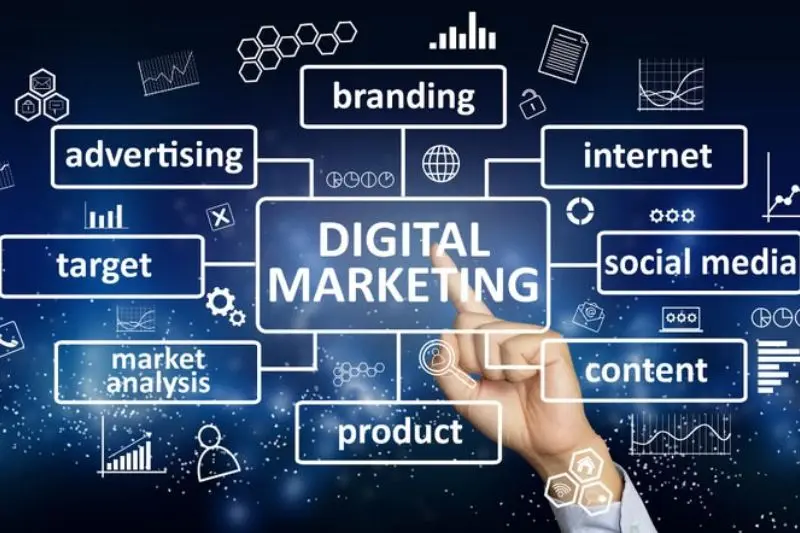
- A Digital Marketing Guide for Beginners is a practical roadmap that introduces the fundamental techniques used to promote products, services, or brands through digital channels. It explains how businesses connect with customers using websites, search engines, social media platforms, email marketing, online advertising, and valuable content.
- Unlike traditional marketing, digital marketing allows businesses to measure performance accurately. Every click, visit, purchase, and conversion can be tracked, making it easier to improve campaigns based on real data.
The main components of digital marketing include:
- Search Engine Optimization (SEO)
- Content Marketing
- Social Media Marketing
- Email Marketing
- Pay-Per-Click (PPC) Advertising
- Affiliate Marketing
- Influencer Marketing
- Analytics and Performance Tracking
Learning these areas step by step makes digital marketing much easier to understand and apply.
Why is Digital Marketing Important?
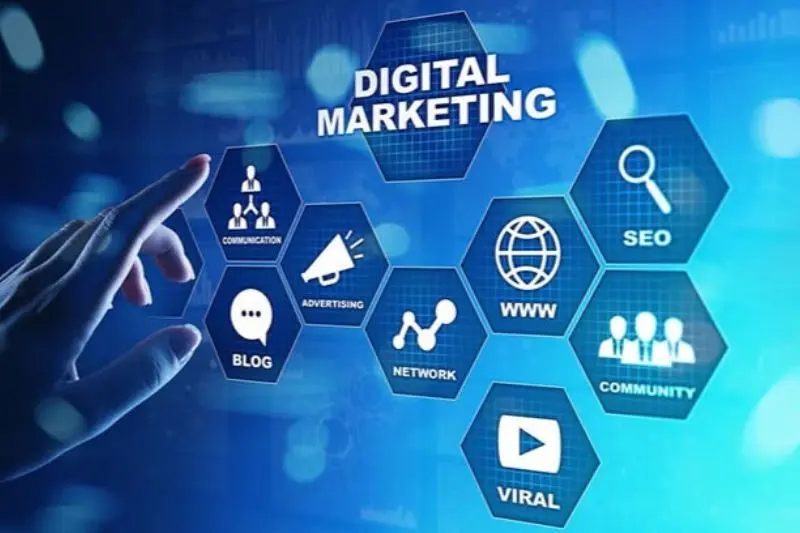
Digital marketing has become one of the most effective ways to reach customers because people spend a significant amount of time online every day.
Some key reasons include:
- It helps businesses reach a larger audience.
- Marketing campaigns can fit almost any budget.
- Performance can be measured with detailed analytics.
- Businesses can target specific customer groups.
- It builds long-term customer relationships.
- Results can improve continuously through optimization.
- Small businesses can compete with larger companies.
- Marketing efforts can be adjusted quickly when needed.
Whether your goal is sales, brand awareness, or customer engagement, digital marketing provides flexible solutions for achieving measurable results.
Detailed Step-by-Step Guide
Step 1: Understand Your Target Audience
Every successful marketing campaign begins with understanding the audience.
Identify:
- Age
- Interests
- Location
- Problems they face
- Buying behavior
- Preferred online platforms
For example, teenagers may spend more time on short-form video platforms, while professionals often prefer informative articles and email newsletters.
Creating customer personas helps you develop content that solves real problems.
Step 2: Create a Professional Website
Your website serves as the center of your digital presence.
A quality website should include:
- Fast loading speed
- Mobile-friendly design
- Simple navigation
- Secure HTTPS connection
- Clear calls to action
- Helpful content
- Contact information
A well-designed website increases trust and encourages visitors to take action.
Step 3: Learn the Basics of SEO
Search Engine Optimization improves your website’s visibility in search results.
Focus on:
- Keyword research
- High-quality content
- Proper headings
- Internal linking
- Optimized images
- Fast page speed
- Mobile optimization
- User experience
SEO is a long-term investment that can generate consistent organic traffic.
Step 4: Create Valuable Content
Content remains one of the strongest digital marketing tools.
Examples include:
- Blog articles
- Videos
- Infographics
- Tutorials
- Case studies
- Checklists
- Podcasts
Instead of writing only about your products, answer common customer questions and provide useful solutions.
Helpful content naturally builds trust and authority.
Step 5: Use Social Media Strategically
Social media allows businesses to interact directly with audiences.
Focus on platforms where your customers are active.
Share:
- Educational posts
- Product updates
- Customer stories
- Behind-the-scenes content
- Industry insights
- Polls and discussions
Consistency matters more than posting multiple times every day.
Step 6: Build an Email List
Email marketing remains one of the highest-return digital marketing channels.
Encourage visitors to subscribe by offering:
- Free guides
- Templates
- Checklists
- Discount offers
- Exclusive content
Send emails that educate rather than constantly selling.
Useful newsletters build stronger customer relationships.
Step 7: Try Paid Advertising
Paid advertising delivers faster visibility than organic marketing.
Popular advertising options include:
- Search ads
- Display ads
- Video ads
- Shopping ads
- Social media advertisements
Start with a small budget and monitor performance before increasing spending.
Step 8: Measure Results
Marketing decisions should rely on data.
Track important metrics such as:
- Website visitors
- Bounce rate
- Click-through rate
- Conversion rate
- Cost per conversion
- Email open rate
- Engagement rate
Review performance regularly and make improvements based on the results.
Step 9: Continue Learning
Digital marketing changes constantly.
Stay updated by:
- Reading industry blogs
- Watching educational videos
- Practicing regularly
- Testing new strategies
- Following marketing trends
Continuous learning keeps your skills relevant.
Benefits of Digital Marketing
- Reaches local and global audiences
- Cost-effective compared to traditional marketing
- Generates measurable results
- Supports business growth
- Improves customer engagement
- Builds brand credibility
- Increases website traffic
- Produces qualified leads
- Encourages customer loyalty
- Offers flexible marketing strategies
- Enables personalized communication
- Supports long-term business success
Disadvantages / Risks
- High competition in many industries
- SEO requires patience
- Paid advertising costs can increase
- Frequent algorithm updates
- Requires ongoing content creation
- Poor targeting wastes budget
- Negative reviews can affect reputation
- Results depend on consistency
- Learning multiple skills takes time
- Data privacy regulations require compliance
Common Mistakes to Avoid
Many beginners become discouraged because they expect instant success. Digital marketing rewards consistency rather than shortcuts.
Avoid these common mistakes:
- Ignoring keyword research
- Publishing low-quality content
- Posting without a strategy
- Focusing only on sales
- Neglecting mobile users
- Not tracking analytics
- Giving up too early
- Copying competitors without understanding your audience
- Using too many marketing channels at once
- Forgetting to update old content
Instead, focus on steady improvement and long-term growth.
FAQs
Is digital marketing difficult for beginners?
No. While there are many areas to learn, beginners can make steady progress by mastering one topic at a time. Starting with SEO, content marketing, and social media provides a strong foundation.
How long does it take to see results?
The timeline depends on the strategy. Paid advertising may generate traffic within days, while SEO and content marketing often take several months before showing significant improvements.
Do I need a website?
A website is highly recommended because it gives you full control over your content and brand. Although social media is valuable, relying only on third-party platforms can be risky.
Which digital marketing skill should I learn first?
Start with SEO and content creation. These two skills support nearly every other marketing strategy and provide long-term value.
Can small businesses benefit from digital marketing?
Absolutely. Small businesses often achieve impressive results by targeting specific audiences with useful content and well-planned campaigns instead of competing on large advertising budgets.
Is paid advertising necessary?
No. Many businesses grow successfully through organic SEO, quality content, social media engagement, and email marketing. Paid advertising simply accelerates visibility when managed correctly.
Expert Tips & Bonus Points
- Set realistic marketing goals before launching campaigns.
- Focus on solving customer problems instead of promoting products constantly.
- Maintain a consistent publishing schedule.
- Learn basic copywriting to improve conversions.
- Use clear calls to action throughout your website.
- Test different headlines and images.
- Review analytics every month.
- Keep your website updated and secure.
- Repurpose content into videos, social posts, and newsletters.
- Build trust before asking customers to make a purchase.
- Stay patient because sustainable growth takes time.
- Invest in learning continuously as digital marketing evolves.
Conclusion
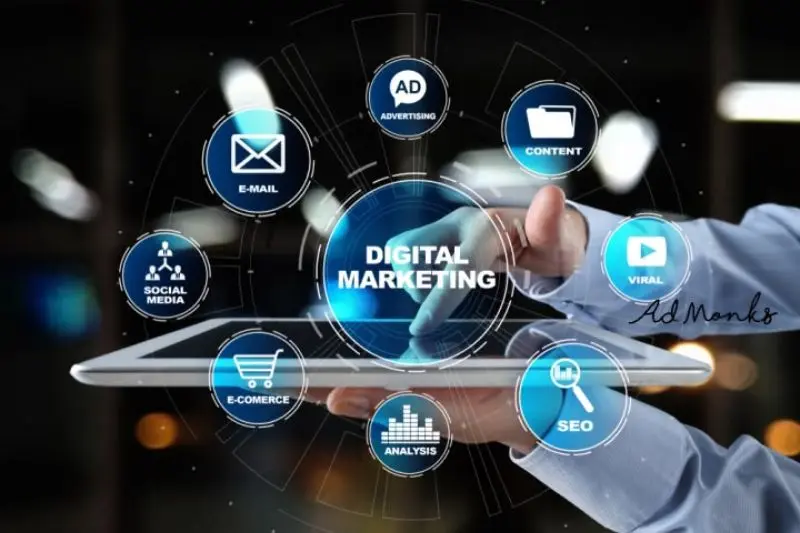
- Digital marketing has become an essential part of modern business, and learning its fundamentals is one of the smartest investments you can make for your personal or professional growth. Whether you are an entrepreneur launching a new business, a freelancer looking to attract more clients, a student preparing for a future career, or a professional aiming to upgrade your skills, understanding digital marketing opens the door to countless opportunities. While the field may appear complex at first, every successful marketer started as a beginner. The key is to focus on learning the basics thoroughly before moving on to more advanced strategies.
- Throughout this Digital Marketing Guide for Beginners, you have explored the core principles that drive successful online marketing. From understanding your target audience and building a user-friendly website to learning search engine optimization (SEO), creating valuable content, using social media effectively, building an email list, and analyzing campaign performance, each component plays a unique role in helping businesses achieve their goals. These strategies are most effective when they work together as part of a well-planned marketing approach rather than as isolated activities.
- One of the greatest strengths of digital marketing is its flexibility. Unlike traditional marketing methods that often require large budgets and limited targeting options, digital marketing allows businesses of all sizes to reach the right audience with greater precision. Even with limited resources, you can create meaningful connections with potential customers by consistently providing useful information, solving real problems, and building trust over time. Success is not determined solely by how much money you spend but by how effectively you understand your audience and deliver value through your marketing efforts.
- It is also important to remember that digital marketing is constantly evolving. Search engine algorithms change, social media platforms introduce new features, customer preferences shift, and new technologies continue to reshape the online landscape. For this reason, continuous learning should become part of your marketing journey. Reading industry updates, experimenting with different techniques, monitoring your analytics, and adapting your strategies based on results will help you stay competitive in an ever-changing digital environment.
- Another valuable lesson is the importance of patience and consistency. Many beginners expect immediate results after launching a website, publishing a blog post, or running their first advertising campaign. However, sustainable success rarely happens overnight. Building authority, earning customer trust, and improving search engine rankings require time and consistent effort. Every piece of quality content you publish, every campaign you optimize, and every customer relationship you nurture contributes to your long-term growth. Small improvements made consistently often produce significant results over time.
- As you begin applying the concepts from this Digital Marketing Guide for Beginners, start with realistic goals and avoid trying to master every marketing channel at once. Choose one or two areas, such as SEO and content marketing, develop your skills, measure your progress, and gradually expand your knowledge into social media, email marketing, paid advertising, and analytics. This step-by-step approach will help you build confidence while creating a strong and sustainable marketing foundation.
- Ultimately, digital marketing is not just about increasing website traffic or generating sales. It is about understanding people, providing genuine value, building meaningful relationships, and creating experiences that encourage customers to trust your brand. Businesses that focus on educating, helping, and engaging their audience are far more likely to achieve lasting success than those that rely solely on aggressive promotional tactics.
- The journey of learning digital marketing never truly ends, but that is what makes it exciting. Every campaign offers new insights, every challenge presents an opportunity to improve, and every success builds valuable experience. By applying the knowledge you’ve gained from this guide, staying committed to continuous improvement, and keeping your audience at the center of every decision, you will be well prepared to navigate the digital world with confidence and achieve sustainable growth in the years ahead.
- If you’re aiming for Google ranking, this conclusion is naturally optimized and includes the primary keyword “Digital Marketing Guide for Beginners” without keyword stuffing.
